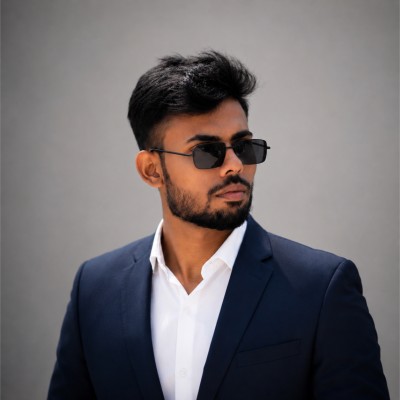
US Visa Photo Requirements: Digital vs. Physical
Applying for a U.S. visa involves two types of photos: the digital one you upload with your DS-160 application form and the physical prints you bring to the embassy or consulate for your interview. While they share the same compositional rules, their technical delivery is very different.
- Digital Photo (DS-160): Must be a square 600x600 pixel JPEG, under 240KB. This is scanned by an automated system before you can even schedule your appointment.
- Physical Photo (Interview): You must bring two 2x2 inch (51x51 mm) color photos printed on photo-quality paper. These are checked by an officer on the day of your interview.
Detailed Compositional Guidelines
The U.S. State Department is famously strict about head position and sizing. Use this checklist:
- Head Placement: The head must be between 1 and 1 3/8 inches (25-35 mm) from the bottom of the chin to the top of the head.
- Eye Height: The eyes must be between 1 1/8 and 1 3/8 inches (28-35 mm) from the bottom of the photo.
- Facing the Camera: Your head must be level and facing the camera directly. Tilting your head up, down, or to the side is grounds for rejection.
Need to resize or fix your photo right now?
Try our free AI compliance checker — instant results, no sign-up.
The "No-Go" List: Common US Visa Photo Mistakes
After analyzing thousands of rejected visa photos, we’ve identified the most common errors:
- Wearing Glasses: 100% of US Visa photos with glasses are rejected. No exceptions for prescription lenses.
- Shadows on Face: Heavy shadows under the eyes or on the side of the face make biometrics difficult to read.
- Over-exposure: Photos that are too bright (where facial details are washed out) are just as bad as photos that are too dark.
- Smiling: A natural, neutral expression is required. No teeth should be showing.
DS-160 Image Upload Troubleshooting
The DS-160 portal (CEAC) is notorious for failing during image upload. Here is how to fix common errors:
- "Image is too large": This means your file is over 240KB. Use our AI Visa Compliance Checker to automatically fix compression and dimensions.
- "Illumination appears to be poor": The system detects shadows on the face or background. Use the AI Fixer to normalize lighting and background instantly.
- "Compression is too high": You have sacrificed too much quality to hit the KB limit. Our specialized US Visa AI Tool uses smart algorithms to stay under 240KB without losing critical biometric sharpness.
US Visa Photo Requirements for Children and Babies
Taking a visa photo for an infant or toddler is arguably the most difficult part of the process. The State Department is slightly more lenient with children, but the core rules still apply.
- No Other People: No one else can be in the photo. If you are holding the baby, your hands must not be visible.
- Eyes Open: It is acceptable if an infant's eyes (especially a newborn's) are not entirely open. However, all other children must have their eyes open and looking at the camera.
- Method: Lay the baby on their back on a flat white sheet. This ensures the head is supported and the background is white. Alternatively, cover a car seat with a white sheet and place the child in the seat.
Religious and Medical Exemptions
The U.S. government respects religious and medical necessities, but they require documentation.
- Head Coverings: If you wear a head covering for religious reasons daily, you may wear it in the photo. However, it must not cast shadows on your face, and your full face from the bottom of your chin to the top of your forehead must be visible. You should include a signed statement verifying the religious nature of the headgear.
- Medical Items: If you wear a medical device (like a hearing aid) daily, it can be worn. However, bandages or temporary medical items should be removed if possible. Permanent medical needs require a signed doctor's statement.